A blackberry plant takes up more room than its nursery pot suggests. That little stem can become a row of canes, a summer picking routine, and a reason to step into the yard before breakfast.
Getting there starts with choosing the plant and finding out how it was grown.
If you’re searching for blackberry plants for sale near Marietta, Georgia, Steward Farms is growing Ouachita blackberries through tissue culture. We’re based here in Marietta, and our plant list gives local gardeners a way to ask about upcoming availability and pickup.
Before choosing a plant, take a look at the place where it will grow. Then bring us your questions.
Choose the spot before choosing the quantity
Watch where sunlight falls across the yard. Look at what happens after a downpour. Think about how a hose will reach the planting bed in July.
Blackberries need sun and soil that drains. UGA Extension recommends a sunny site near water and advises against planting where water stands after rain. A soil test can help identify what the bed needs before roots go into the ground. UGA’s home blackberry guide explains those first steps.
A corner that stays soggy needs attention before it needs a blackberry plant. Preparing the site now gives an upcoming plant batch somewhere to go.
Leave room to reach the canes, too. Picking, tying, watering, and pruning all become easier when the planting fits the space around it. A fence can mark the edge of a bed, but the plants still need room for growth and access.
Decide what the planting should do
A few berries for breakfast and enough fruit for a freezer call for different planting plans. Start with how your household will use the harvest, then consider the space and care the plants will require.
For a first planting, a manageable row gives you somewhere to learn. You can watch how the canes develop, practice tying them to support, and see how picking fits your summer schedule. Buying more plants also means preparing more ground and caring for more transplants during their establishment.
Write down the amount of usable bed space before asking about quantities. Include the path where you’ll stand. A bed drawn from fence to fence can look generous on paper while leaving nowhere to work once the canes fill it.
If the goal includes sharing fruit with relatives or growing a larger patch later, say that when you contact the grower. The conversation can begin with the planting you can support now and leave room for an expansion.
Bring a simple sketch of the site
A useful garden sketch can fit on the back of an envelope. Mark the fence, the nearest water source, the planting bed, and the route you’ll use to reach it. Add measurements rather than trying to remember the distance between two landmarks.
Take photographs from a few directions. Include a view showing the surrounding trees and buildings. A close photograph of bare ground tells little about the shadow cast by a nearby roof or the slope that carries runoff through the yard.
If you’re unsure about the spot, describe the uncertainty. Perhaps the ground stays wet beside the downspout, or the afternoon shade reaches the bed earlier than expected. Those observations help frame questions for the grower and your county Extension office.
You don’t need a finished landscape plan to inquire about blackberry plants. A few measurements and observations will make the answer more useful than a guess based on the size of the yard.
Get to know Ouachita
Ouachita is the variety we’re growing at Steward Farms. Its upright, thornless canes make it worth considering for a backyard planting where someone will work close to the stems.
The University of Arkansas describes Ouachita as an erect, thornless blackberry with firm fruit and good flavor. That combination has helped it earn a place in home gardens and commercial plantings. Arkansas’s guide to southeastern blackberry production includes its cultivar characteristics.
Thornless canes make handling easier. The plant still needs care, support as it grows, and pruning suited to its fruiting cycle.
Our Ouachita buying guide explains those details, including what to expect before the first harvest.
Ask what stage the plant has reached
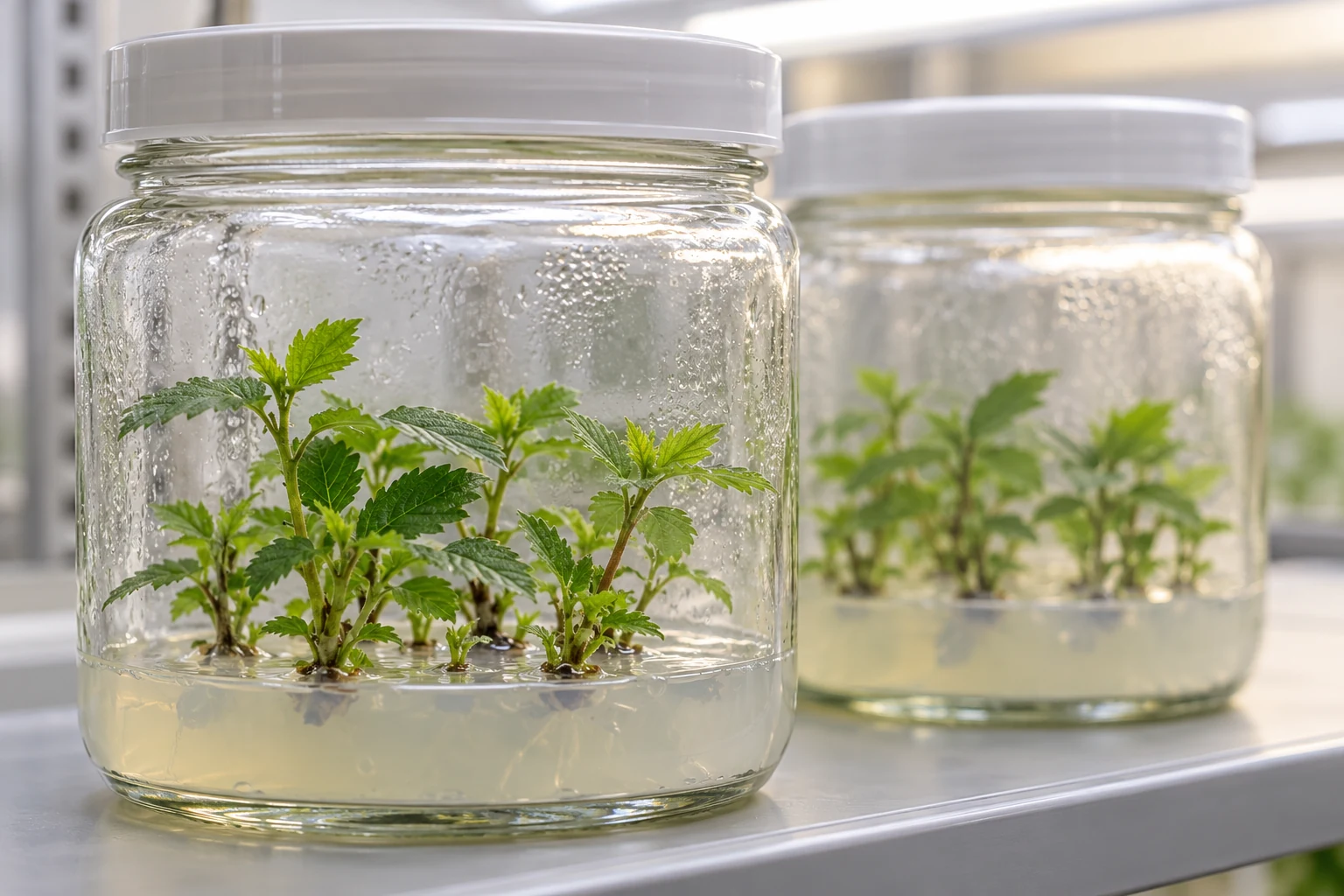
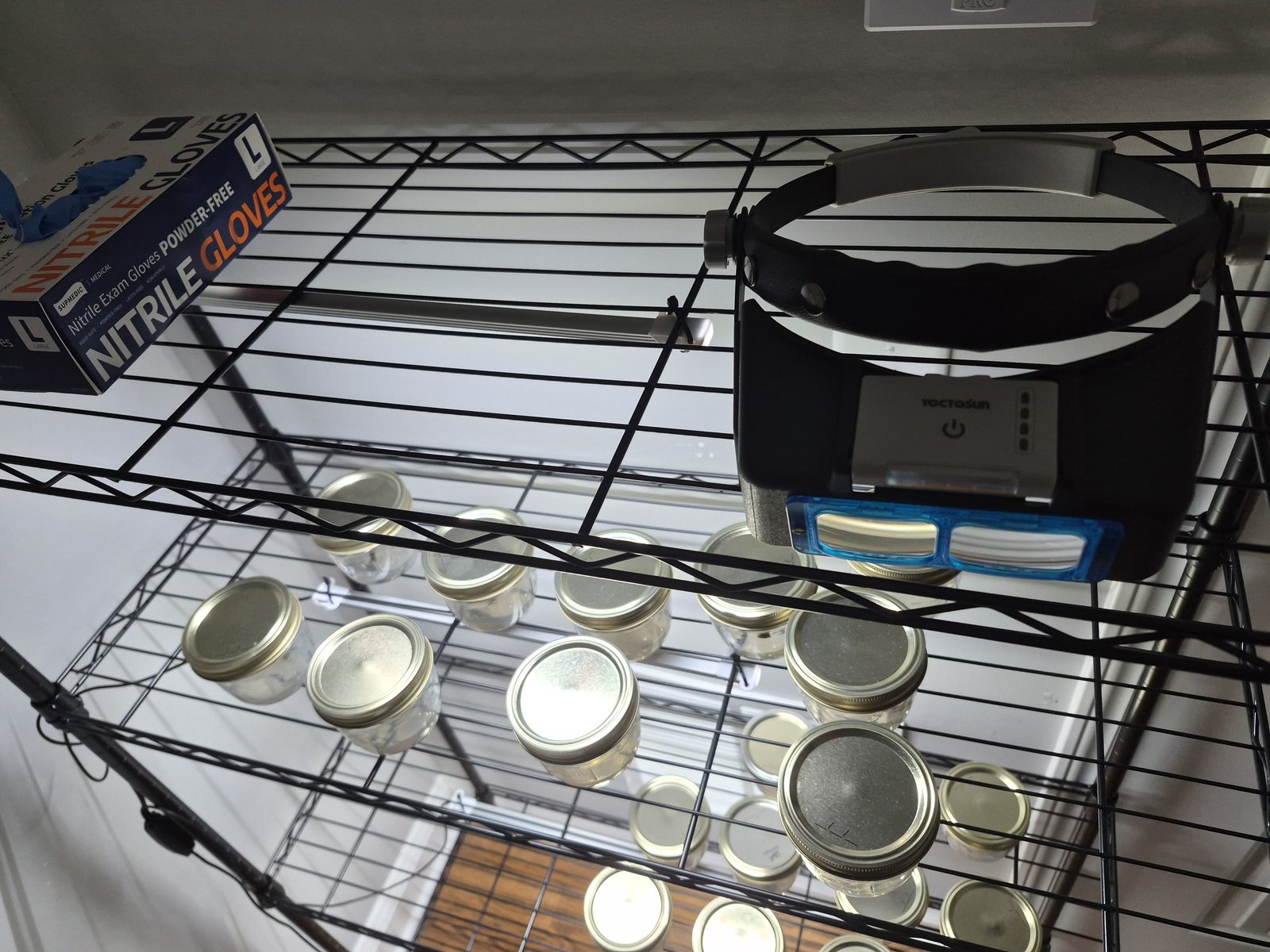
Tissue culture starts with a small piece of plant tissue grown in a controlled environment. The shoots must develop roots and adjust to conditions outside the culture vessel as they move toward nursery production.
That process matters when buying. A shoot inside a jar, a rooted plug under a humidity dome, and a plant accustomed to outdoor conditions need different care.
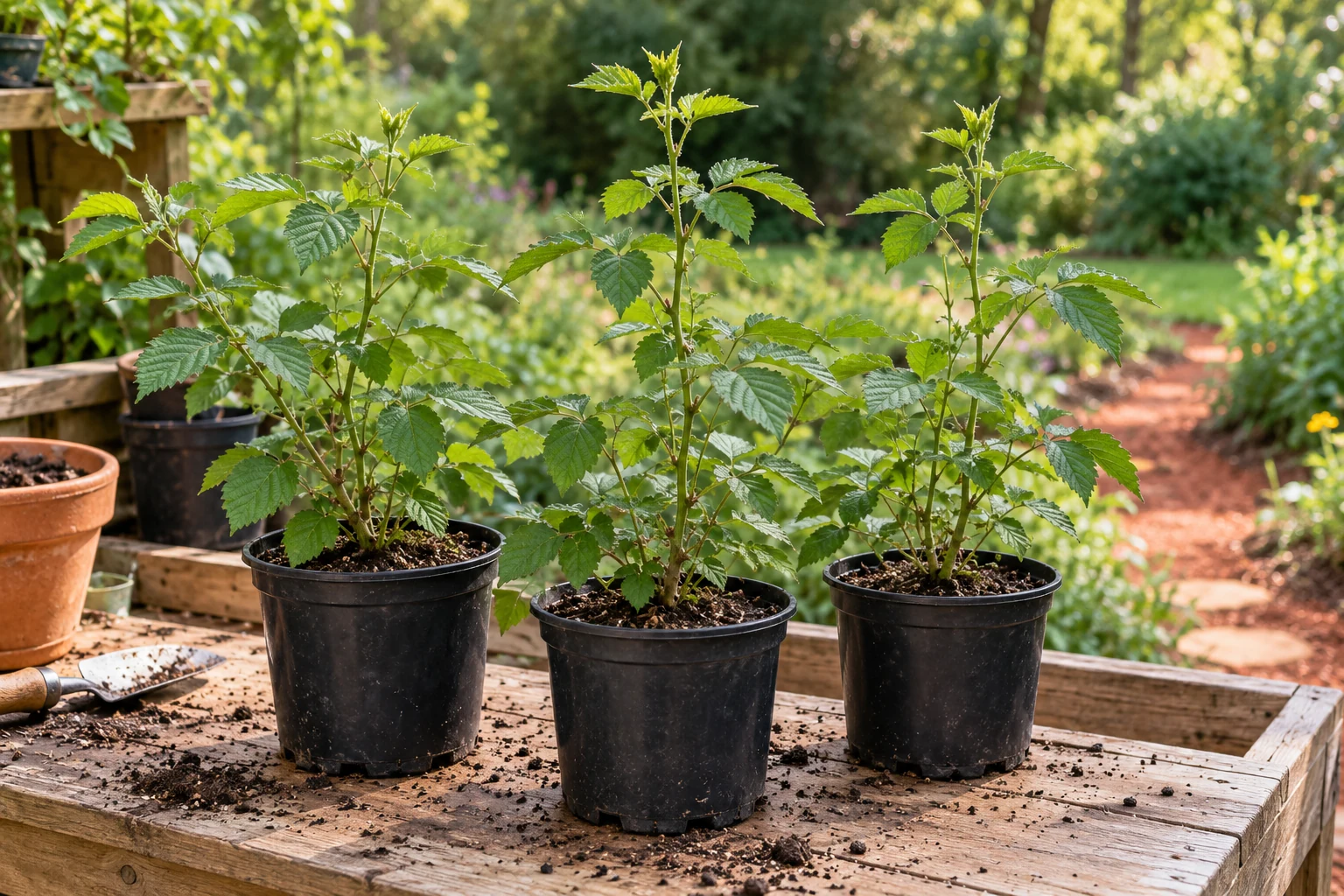
Ask what you’ll receive: the plant’s container or plug size, its growth stage, and the next steps after pickup. A photo of the actual available batch helps connect the description to the plant coming home.
We explain that transition in our guide to buying tissue-culture blackberry plants. Understanding the stage helps you prepare the right place for the plant’s first days.
Local pickup starts with a conversation
For gardeners in Marietta and nearby parts of Cobb County, a local grower offers a place to ask about the variety and the upcoming batch before making a trip. If you’re coming from elsewhere in metro Atlanta, confirm availability and pickup arrangements first.
Steward Farms’ current plant plans focus on pickup in the Marietta area. Ask about the plant size, expected readiness, and pickup details when you contact us. Batch timing should guide the trip.
Think about your own timing as well. If the bed still needs drainage work or the trellis hasn’t gone in, say so. That information helps make the conversation useful.
Compare listings by what the buyer receives
Two listings can both say “blackberry plant” while offering different products. One might describe a dormant cane with exposed roots. Another might offer a rooted plug, a young plant in a small pot, or a plant that has spent a longer period in nursery production.
Compare the variety name, container size, growth stage, and care instructions together. Height alone leaves out the roots and the conditions the plant has been growing under. A taller stem also doesn’t establish how soon that individual plant will produce a crop.
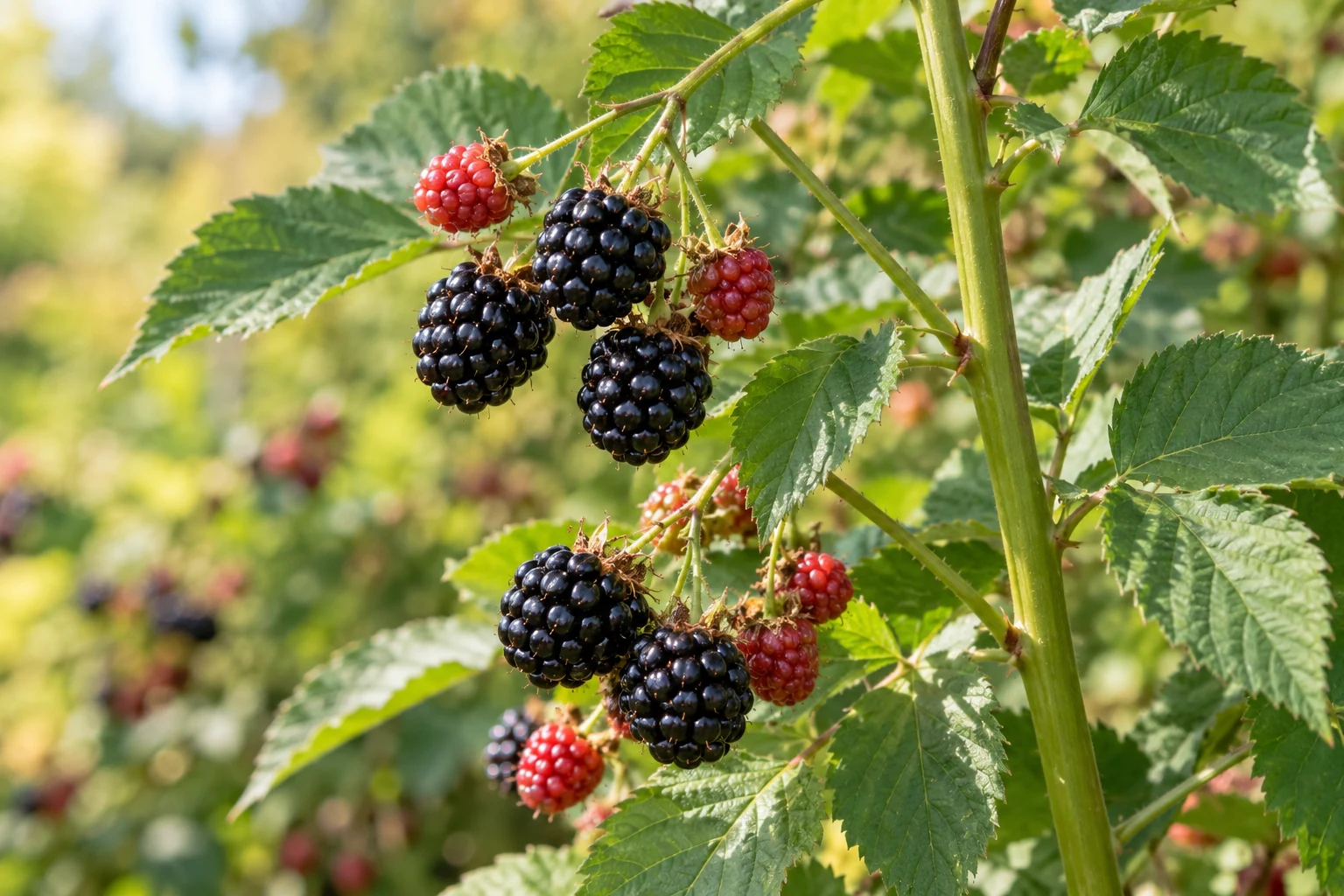
Read photographs with the same care. A picture of ripe berries shows what the article discusses; an actual batch photograph helps show the plants available for purchase. Ask which kind of photograph accompanies the offer if the listing leaves that unclear.
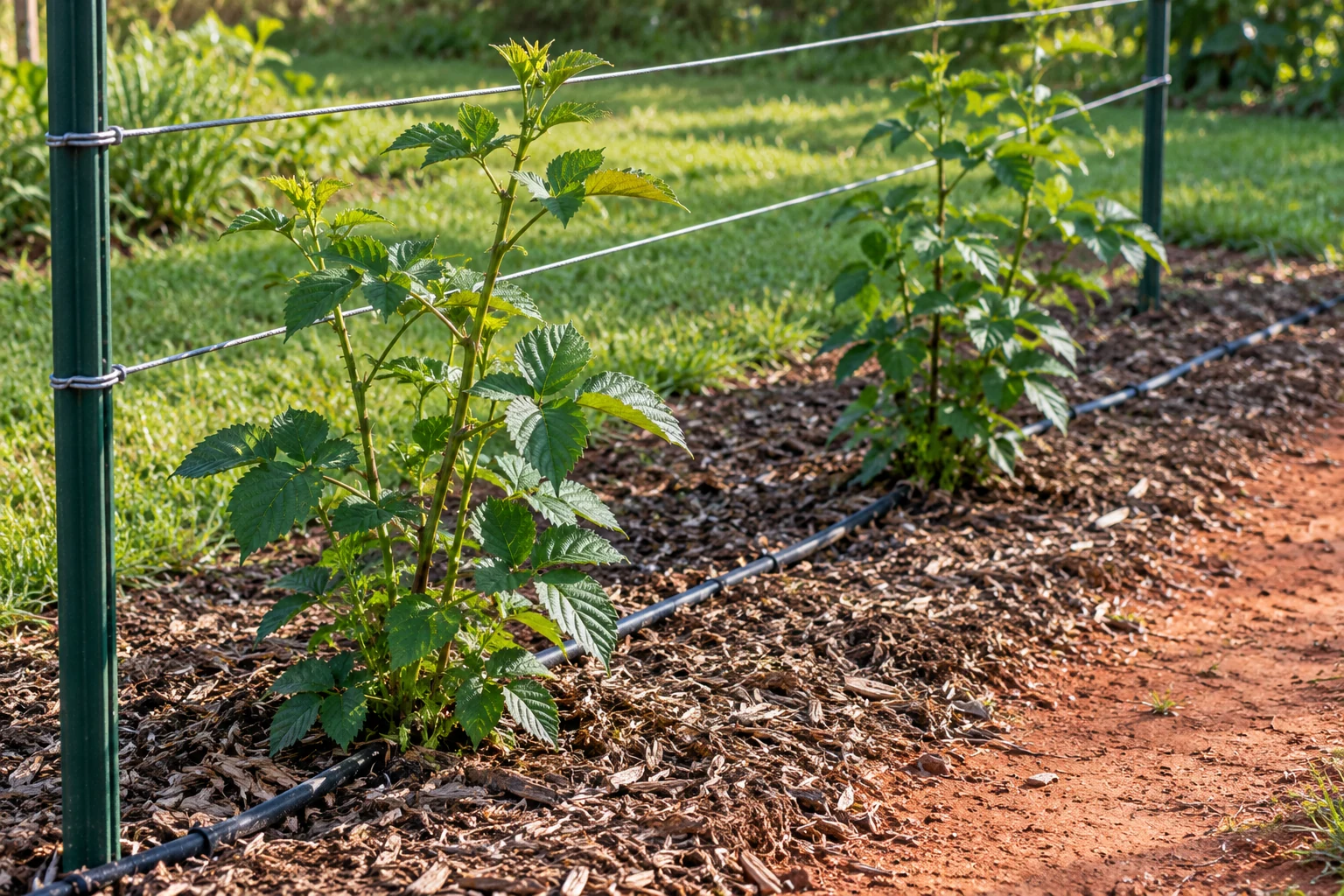
The images in this article are illustrations. Before arranging a purchase, ask about the actual batch so your expectations match its size and stage. Clear descriptions make it easier to compare offers and prepare for pickup.
Include the planting supplies in the decision
The plant begins the purchase, but the bed needs a plan as well. Think through support materials, access to water, and any work required to prepare the ground. A short shopping list can keep an afternoon pickup from turning into several unplanned trips.
Look at what you already have. A hose that reaches the bed may solve one problem. A pile of suitable mulch may solve another. A proposed trellis still needs a place where posts can be installed without blocking a gate or narrowing a walkway.
Ask for the plant’s sale price and what comes with it. Find out whether care instructions accompany the order and whether any accessories shown in a photograph are included. Those details belong in the purchase conversation before payment.
For a larger planting, count the work as well as the supplies. Preparing a bed for several plants takes longer than finding room for one pot. Matching the order to the prepared space gives every plant somewhere to go.
Plan a pickup that fits the plants
A local search can lead to a nearby grower, but it doesn’t confirm that plants are ready for collection that afternoon. Contact Steward Farms before setting out from Marietta, Kennesaw, Smyrna, or another part of metro Atlanta. Ask about the available batch and agree on the arrangements.
Include the quantity when discussing pickup. A few pots and a tray of plugs may need different space in the vehicle. Ask how the plants will be packed and whether you should bring a crate or tray to keep them upright.
Plan the trip home before adding other errands. Plants need protection from tipping, crushing, and an unattended vehicle’s heat. Clear a place where the containers can sit securely and where luggage or groceries won’t fall across the stems.
If another person will collect the plants, pass along the order details and the care instructions. The person carrying the plants home should know where they are going next, especially if they need a protected holding space before planting.
Understand the difference between an inquiry and a preorder
Joining an interest list tells a grower that you would like to hear about plants. A preorder involves a specific offer and its terms. Before making that commitment, read what the seller says about the plant, the expected readiness window, and the way fulfillment will work.
Ask how you’ll receive an update if the schedule changes. Find out when payment is due and what cancellation or refund terms apply. Keep a copy of the description and the confirmation so the agreement stays clear as the batch develops.
Our current call to action is the plant-interest list. It gives Marietta-area gardeners a way to ask about upcoming Ouachita availability while we grow the plants. Availability, order details, and pickup still require confirmation.
If you have a planting deadline, include it in the message. A garden project tied to a move, a gift, or a scheduled workday needs a conversation about timing before an order is placed.
Give the first days a place on the calendar
Choose a pickup time when someone can receive the plants and follow the grower’s instructions. A crowded weekend followed by a week away may leave a new planting without the attention it needs.
Before collection, decide where the plants will stand if they cannot go straight into the prepared bed. Ask which light conditions suit their current stage and how to check their moisture while they wait. Follow the instructions for the actual plants rather than borrowing a routine intended for a different nursery product.
Save the variety name and the pickup date in a garden notebook or phone note. Add the location of each plant if the garden contains more than one variety. A record made at the start prevents uncertainty when labels fade or pots move.
That first note can become a useful planting history. Later, you’ll have a place to record new growth, changes in care, and the questions to bring back to the grower.
Ask about the next Ouachita batch
Contact Steward Farms to join the plant-interest list. Mention Ouachita blackberry plants, your city, and how many plants you’re considering. Include a question about your planting space if you have one.
Joining the list lets us know you’re interested. Availability and pickup arrangements still need confirmation before an order.
A place in the yard, a variety chosen with care, and a conversation with the grower: that’s a practical start toward your own blackberry harvest.