What changes when the blackberry plant beside the fence has a name?
The buying decision gets clearer. A variety name gives you something to investigate: how the canes grow, when they bear fruit, and what care they need. Those details shape the planting long after the nursery pot is gone.
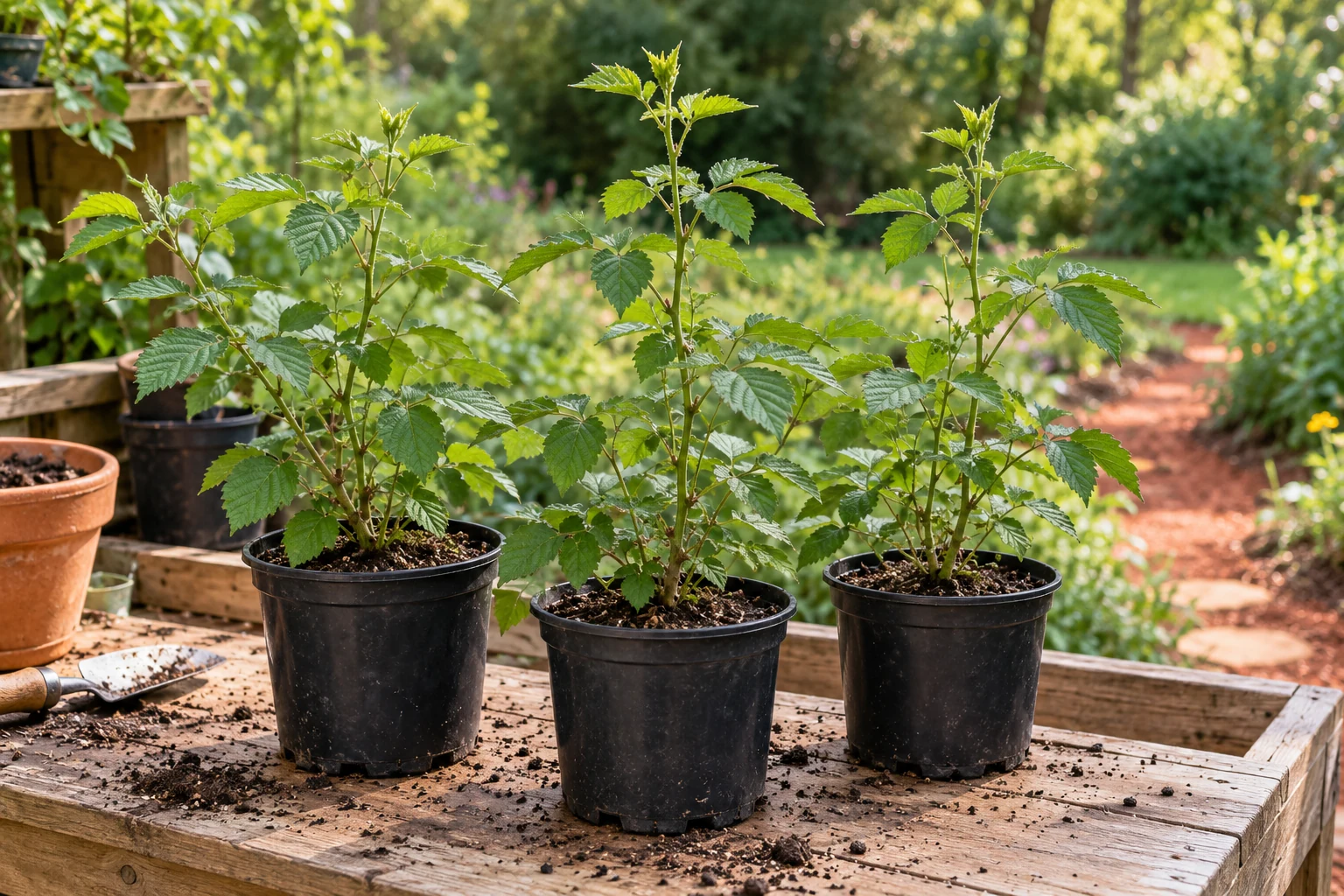
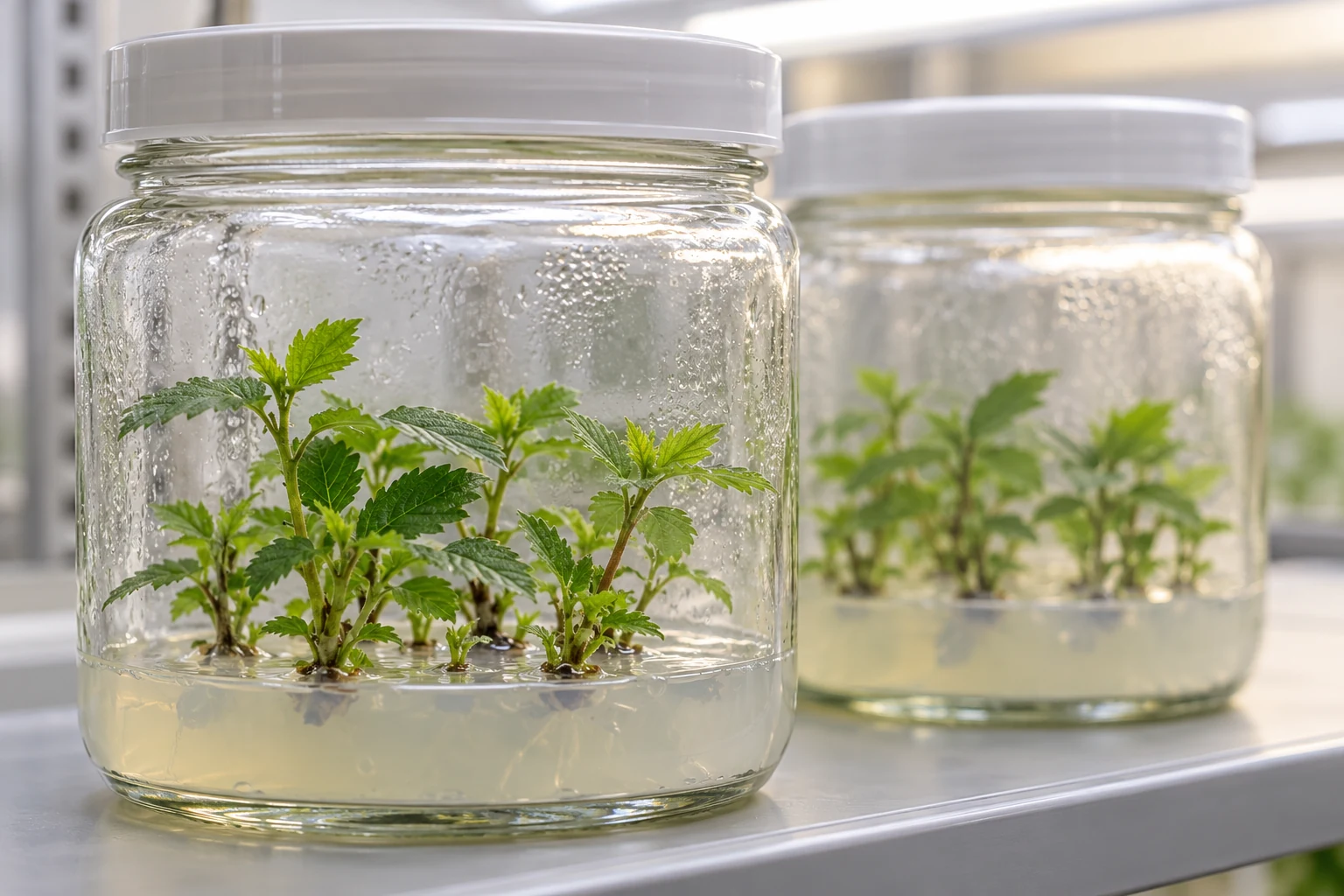
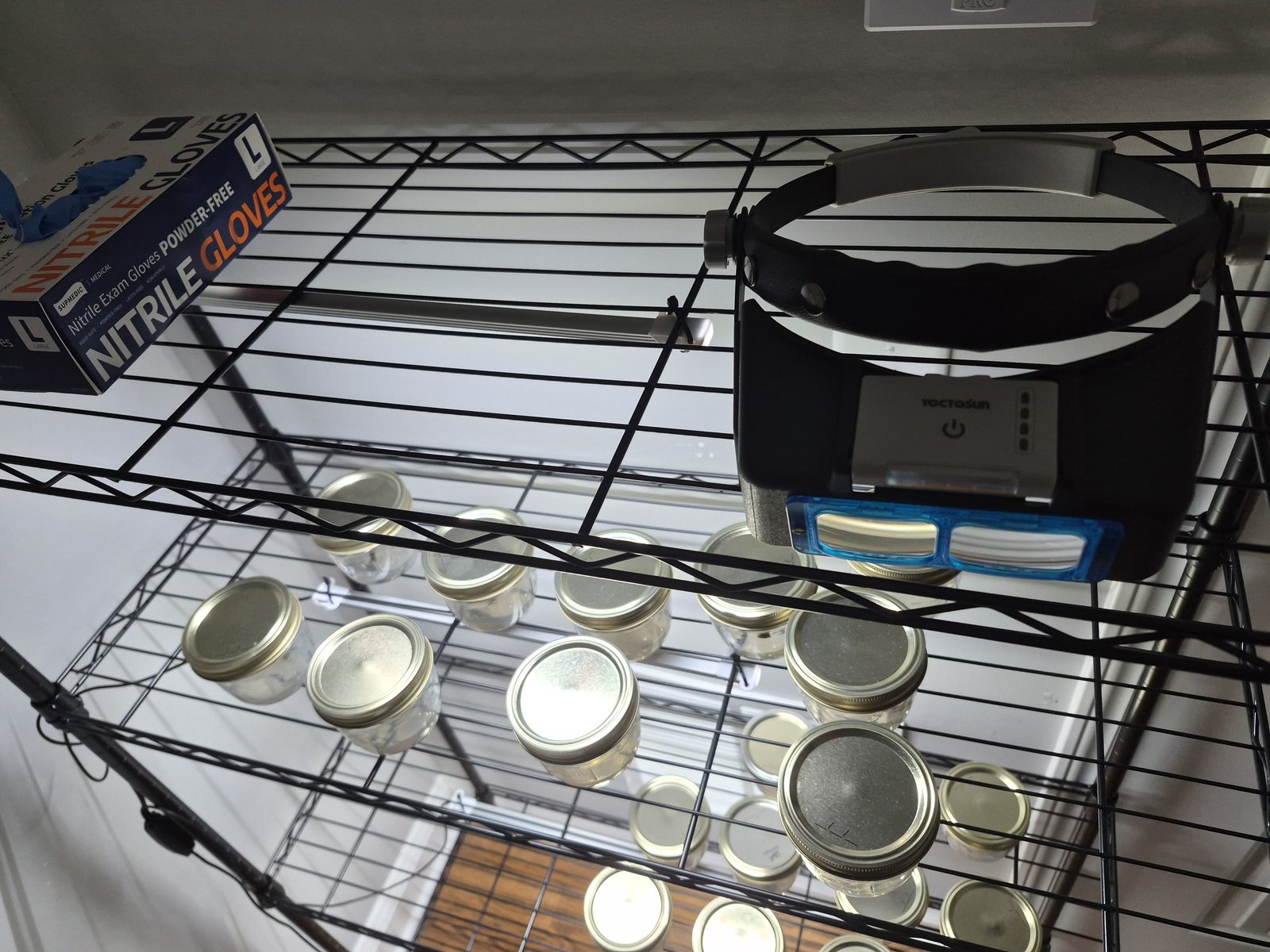
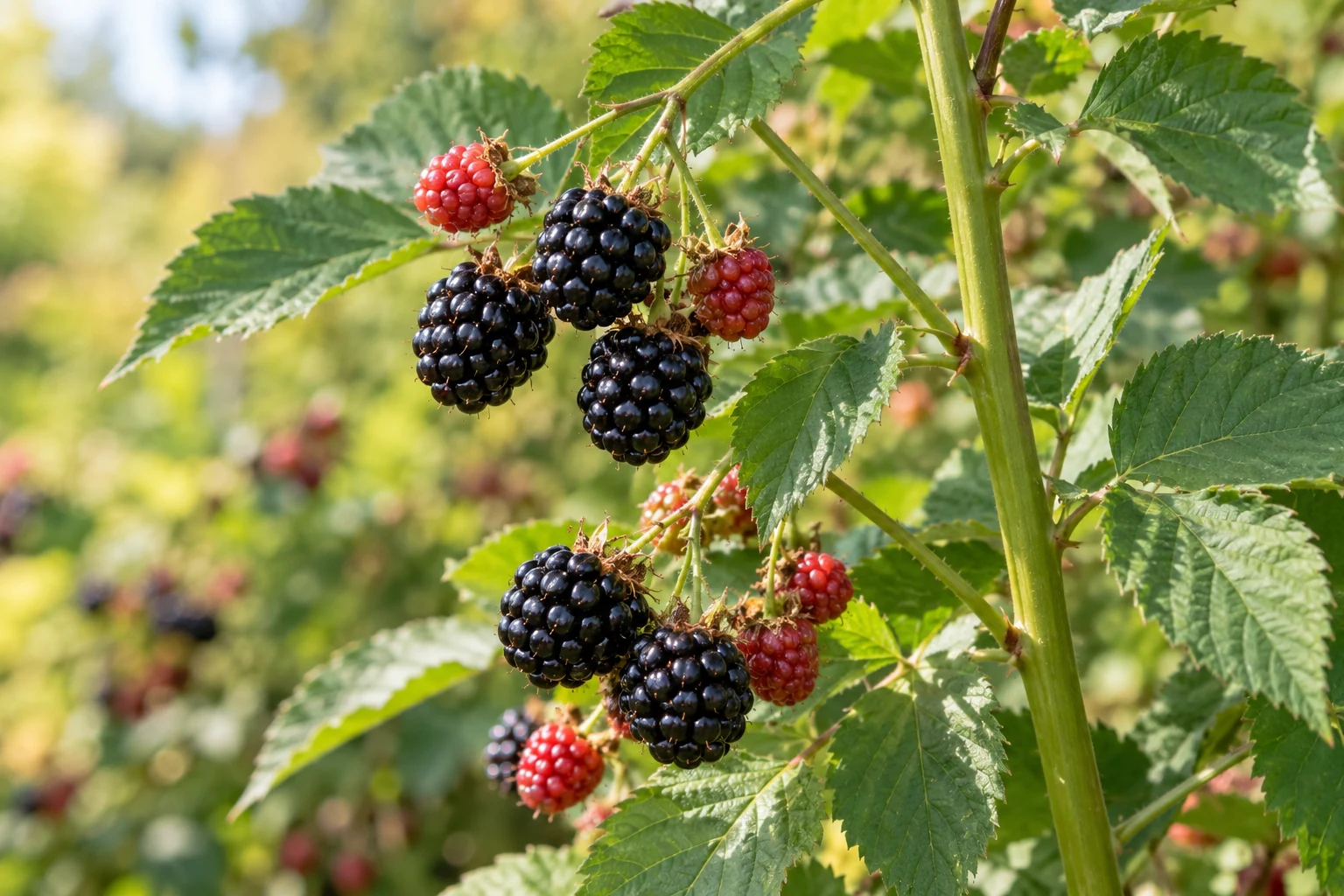
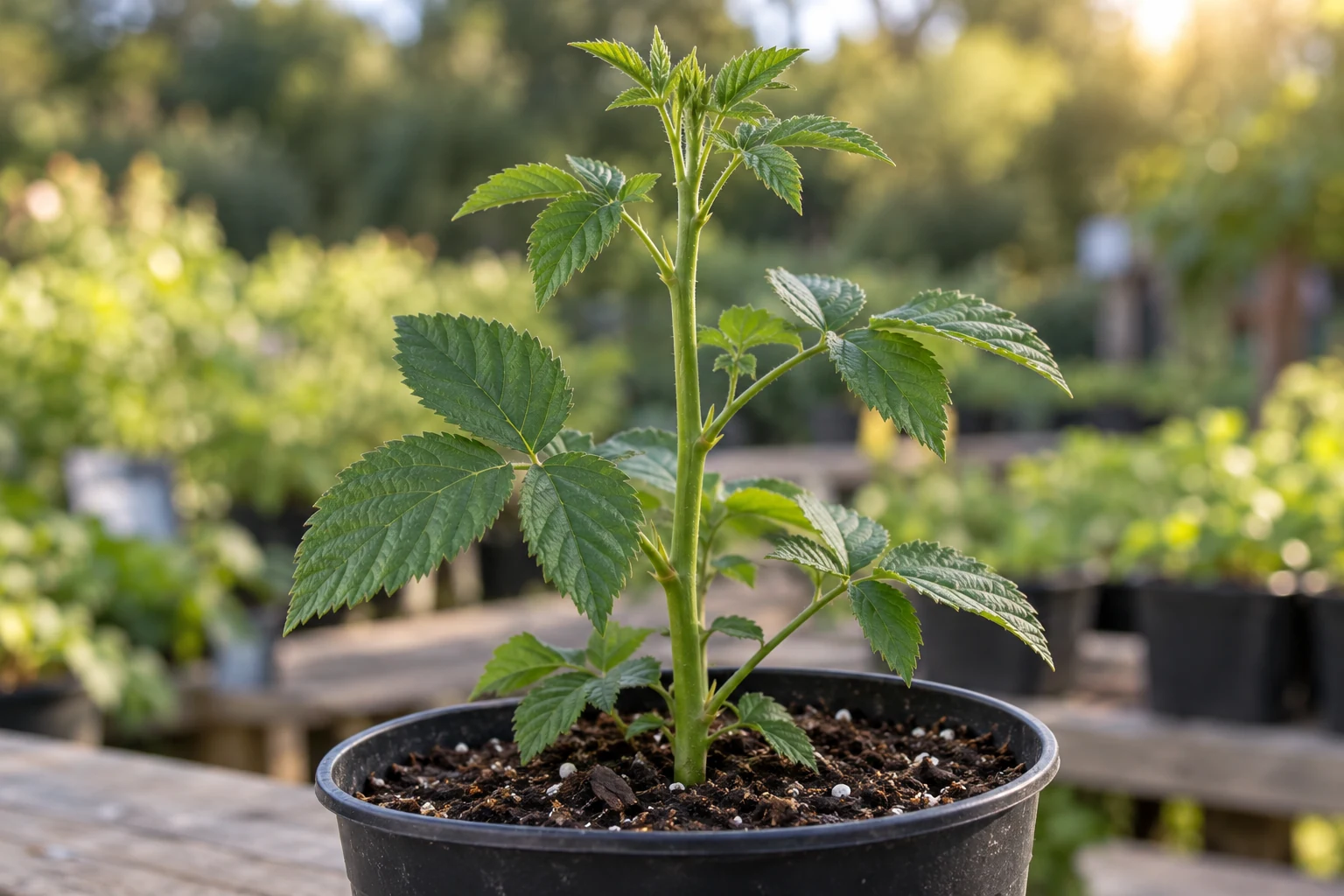
At Steward Farms in Marietta, Georgia, we’re growing Ouachita blackberry plants through tissue culture. For gardeners looking for thornless blackberry plants near Marietta or elsewhere in metro Atlanta, here’s what to know about the variety before asking about availability.
Thornless canes put the plant within reach
Harvest brings hands close to blackberry stems. So do tying and pruning. Ouachita’s thornless canes remove the thorns from those jobs, which can make the variety appealing in a garden where picking happens a handful at a time.
Ouachita came from the University of Arkansas breeding program. Released in 2003, it later received the American Society for Horticultural Science’s Outstanding Fruit Cultivar Award. The university’s account of the award describes its history and use.
An award gives the variety a track record to examine. The growing space still deserves the same attention as the plant tag.
Choose the variety for the work you want to do
Thornless growth answers one part of the buying question. The rest comes from how you intend to use the planting. A gardener who wants to walk outside and pick a bowl for breakfast may value access and a manageable row. Someone planning to preserve fruit may think first about how harvesting will fit the household’s schedule.
Write down those priorities before comparing varieties. Otherwise, a photograph of a heavy crop can take over a decision that also involves room, support, pruning, and the time available to tend the plants.
With Ouachita, begin by learning its growth habit and fruiting cycle. Then compare those characteristics with the space you have. Knowing what the canes will need gives the variety name a practical meaning beyond the label on the pot.
The strongest purchase decision connects a named plant to a plan you can carry out. That plan can start small and become more ambitious as your experience grows.
Upright growth still needs a plan
Ouachita grows erect canes. As those canes develop and carry fruit, support can help keep the planting accessible and the crop off the ground. UGA Extension notes that Georgia growers use trellises with erect blackberries to support crop loads. Its home garden guide covers training and care.
Before buying, picture the planting at cane height. Leave somewhere to stand while picking. Leave somewhere to put the canes that will carry a later crop. Plan how to reach the middle of the row with pruning shears.
The space between plants serves the gardener as well as the blackberry. A planting that can be reached can be cared for.
Learn which canes carry the berries
Ouachita bears its main crop on floricanes: canes in their second growing season. A new cane grows during one season, then bears fruit after overwintering. The University of Arkansas identifies Ouachita among its floricane-fruiting varieties. Its blackberry production overview explains the distinction.
That detail matters when bringing home a young plant. The purchase begins an establishment period. Roots and canes need time to develop, and the first harvest depends on the plant’s stage and subsequent growth.
It also matters at pruning time. Cutting every cane to the ground each winter would remove the wood needed for the next floricane crop. Learn to distinguish new canes from canes that have finished bearing before reaching for the shears.
One variety can begin the planting
Ouachita is self-fertile, so a second blackberry variety isn’t required for pollination. Arkansas Extension lists its blackberry cultivars as self-fertile in its small fruit cultivar recommendations.
That gives a gardener with limited space a starting point. Plant count can follow the space and the harvest you hope to work toward. There’s no need to squeeze in another variety solely to provide pollen.
Gardeners outside Georgia should also check local growing conditions before choosing Ouachita. Winter conditions, summer weather, and planting practices vary across the country. Your county Extension office can help assess suitability for your location.
Read the harvest calendar through the canes
A young Ouachita planting has several calendars running at once. There’s the date the plant came home, the growing season in which a cane emerged, and the later season in which that cane may carry fruit. Keeping those events separate makes the plant easier to understand.
Consider a new cane developing during the establishment season. Its immediate contribution is growth that can support a later crop. The absence of a harvest at that stage doesn’t, by itself, answer whether the plant is developing as expected.
Ask the seller what stage the individual plant has reached and what expectations suit that stage. A general description of mature Ouachita plants can’t promise a harvest date for every young start offered for sale.
Keep notes as canes emerge and develop. Those records become useful when deciding what to retain and what has finished its role. They also make questions about the plant more precise when you seek advice.
Approach pruning with the plant’s age in mind
A pruning video can show the right technique for a plant that differs from yours. Before copying it, check the variety, the fruiting type, and whether the demonstration shows an established planting or a young start.
NC State’s practical blackberry pruning guide treats first-year tissue-culture plants separately and notes that they don’t need tipping during that first year. That distinction matters when a buyer sees a recommendation aimed at mature canes and assumes it applies on pickup day.
Ask for instructions matched to the plant being sold. Save them with its label. If a later recommendation seems to conflict, compare the circumstances before making cuts: plant age, cane development, and the purpose of the pruning all matter.
A few minutes spent identifying the cane can prevent a season’s growth from being removed under the wrong instruction. Pruning becomes easier to learn when every cut has a reason you can explain.
Make room for care throughout the season
A blackberry row asks for attention between planting and picking. Think about who will check it, how they will reach it, and where tools and supplies will be kept. A planting close to your normal route through the yard is easier to observe than one hidden behind stored equipment.
Walk the proposed path while carrying a bucket or garden tools. Check whether a gate opens across the bed. Consider where you’ll stand when canes extend beyond the small space occupied by the nursery pots.
Set up a simple way to record observations. A photograph from the same position every few weeks can help you follow growth without relying on memory. Note any change before trying to explain its cause.
If a problem appears, send the grower a view of the whole plant along with close photographs. Include the planting date and recent care. Those details help turn a vague concern about a leaf into a question someone can investigate.
Consider a container as a growing system
A pot can make a planting possible where a garden bed isn’t available. It also puts decisions about support, drainage, watering access, and eventual space into one container. Before buying Ouachita for a patio, ask how the plant will be managed as it grows.
Start with the container you intend to use rather than assuming the nursery pot will serve indefinitely. Describe its dimensions, drainage openings, and location when asking for advice. Include whether the spot is exposed to wind or difficult to reach with water.
Think about how the plant and its support will remain stable together. A tall structure attached to a small pot can create a handling problem. A container placed beside a walkway also needs room for people to pass once leaves and canes extend outward.
A container plan deserves the same care as a ground planting. If its long-term arrangement is still uncertain, settle those questions before deciding how many plants to purchase.
Compare Ouachita with another named variety
When another blackberry catches your attention, compare the characteristics that affect your garden. Put the two variety names beside each other and ask about cane habit, fruiting type, local suitability, and the care each requires.
Check that the seller’s information refers to the named variety. A general blackberry description can help explain the crop, but it may leave out a distinction that changes pruning or harvest expectations.
Look for evidence that fits the question. A breeder or Extension publication can explain cultivar characteristics. An actual batch description can explain the size and condition of the plants offered. A grower’s records can describe a particular season at a particular site.
Those sources do different jobs. Taken together, they can help you decide whether Ouachita fits your planting. A claim about the largest berry or earliest crop means more when it comes with the variety, location, and circumstances behind it.
Set a useful expectation for the first planting
A young plant gives you a starting point, and the early seasons also teach you how the site behaves. You’ll learn where access becomes awkward, which tasks need more time, and what questions to ask before expanding the row.
Avoid building a household harvest plan around a promised number of pounds from each new start. A mature planting’s reported production can’t establish what an individual young plant will deliver in your yard or when it will reach that point.
Instead, discuss the plant’s present stage with the seller and keep records as it develops. Photograph the planting, save care instructions, and note the work you perform. Those records let you assess progress against the conditions you can observe.
Choosing Ouachita gives the planting a known variety. Preparing the space and learning its growth cycle give that choice a place to succeed. The first purchase can begin both the garden and the experience needed to care for it.
Plan for water and weed management
The planting bed will need attention around the canes as well as above them. UGA Extension recommends mulching brambles to conserve moisture and reduce weeds, along with watering during dry periods. Its home garden guide, linked above, covers those parts of ongoing care.
Before purchasing, check how you’ll reach the bed with water and how you’ll maintain the ground around each plant. If another person will care for the planting while you travel, show them the layout and leave the instructions where they can find them. A practical care routine belongs in the variety decision alongside flavor and thornless growth.
Find out what’s coming home
When asking about Ouachita blackberry plants for sale, ask about the plant as well as the variety. Find out its size, growth stage, readiness date, and care after pickup.
We’re growing Ouachita through tissue culture at Steward Farms. Our tissue-culture buying guide explains how a plant moves from culture toward outdoor growth. If you’re still choosing a planting spot, start with our Marietta buyer’s guide.
To ask about an upcoming batch, join the Steward Farms plant-interest list. Tell us your location and the number of Ouachita plants you’re considering. Our current focus is pickup in the Marietta area; confirm availability and arrangements before planning a visit.